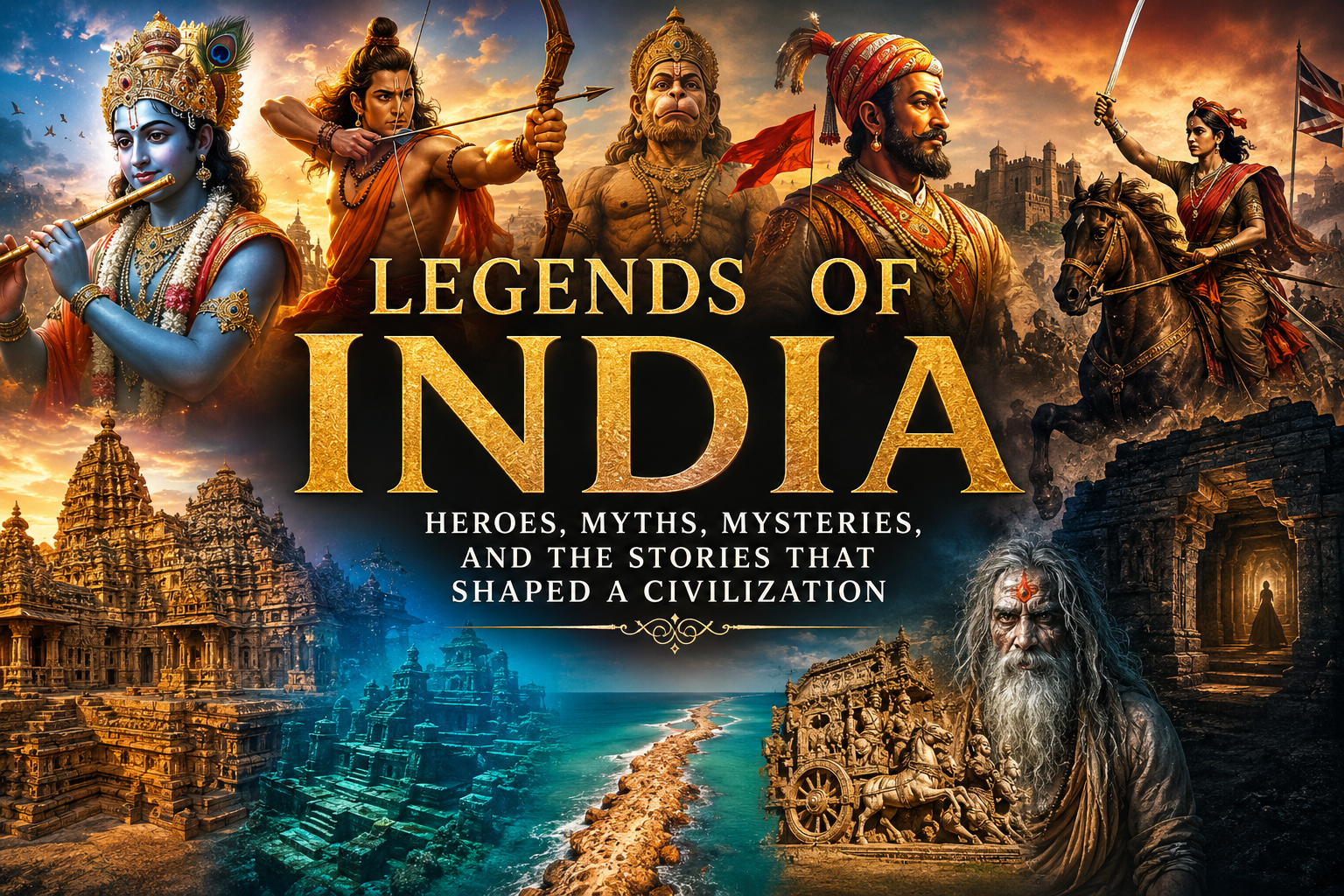
Legends of India: Heroes, Myths, Mysteries, and the Stories That Shaped a Civilization
Introduction
India is one of the world’s oldest civilizations, with a history stretching back thousands of years. Throughout this incredible journey, countless stories of courage, wisdom, sacrifice, mystery, and faith have been passed down from generation to generation. These timeless tales, known collectively as the Legends of India, continue to inspire millions of people across the globe.
Unlike ordinary stories, the Legends of India blend history, mythology, culture, spirituality, and folklore into narratives that have shaped the identity of an entire civilization. Some legends are based on historical figures whose bravery changed the course of history, while others are rooted in ancient epics, mysterious places, and unexplained events that still fascinate researchers today.
From the heroic journey of Lord Rama and the divine wisdom of Lord Krishna to the mysterious legend of Ashwatthama and the hidden knowledge of the Nine Unknown Men, these stories have influenced literature, art, architecture, festivals, and traditions for centuries.
Even today, historians, archaeologists, scientists, and storytellers continue to study the Legends of India to better understand their historical significance and cultural impact. While some stories have archaeological evidence supporting them, others remain surrounded by mystery, allowing imagination and curiosity to flourish.
In this comprehensive guide, we explore the greatest Legends of India, including legendary heroes, powerful myths, mysterious places, forgotten kingdoms, and extraordinary stories that helped shape one of the world’s greatest civilizations.
Why the Legends of India Continue to Inspire the World
The Legends of India have survived for thousands of years because they represent far more than entertainment. They preserve values such as honesty, courage, compassion, loyalty, wisdom, and sacrifice while also reflecting the beliefs and traditions of ancient Indian society.
Long before books became common, these legends were passed down orally by sages, teachers, poets, and storytellers. Eventually, many became part of famous epics such as the Ramayana, Mahabharata, and various Puranas.
These stories continue to influence modern India in many ways. Festivals such as Diwali, Dussehra, Janmashtami, and Ram Navami celebrate events connected to these legends. Ancient temples, historical monuments, and sacred cities across the country are closely linked to legendary heroes and mythical events.
Modern archaeology has also renewed interest in several Legends of India. Underwater explorations near Dwarka, archaeological discoveries in Ayodhya, and studies of ancient temples have encouraged researchers to examine whether some legendary stories may contain historical elements.
Whether viewed as history, mythology, or cultural heritage, the Legends of India continue to unite people across generations and remind us of timeless human values.
1. Lord Rama – The Ideal King of India
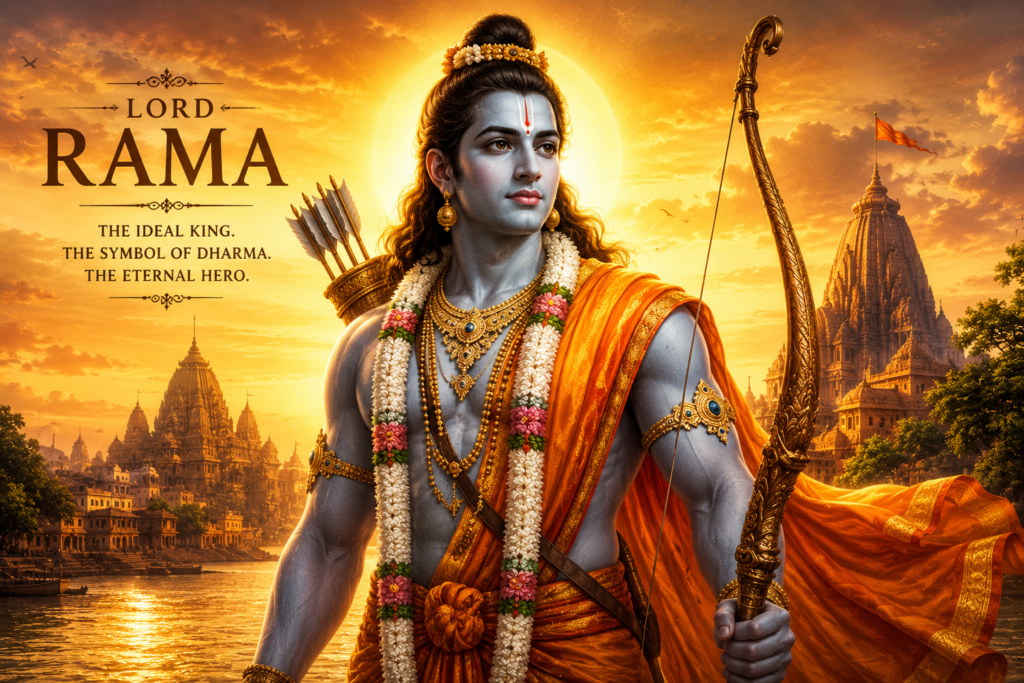
Among all the Legends of India, Lord Rama stands as one of the most respected and admired figures. His life is described in the ancient Sanskrit epic Ramayana, written by Sage Valmiki, and has inspired people for more than two thousand years.
According to tradition, Lord Rama was born in Ayodhya as the eldest son of King Dasharatha. Although he was the rightful heir to the throne, he willingly accepted fourteen years of exile to honor his father’s promise, demonstrating extraordinary respect for duty and family.
During his exile, his wife Sita was abducted by Ravana, the powerful ruler of Lanka. Determined to rescue her, Lord Rama formed alliances with Hanuman, Sugriva, and the Vanara army. Together they built the legendary bridge to Lanka and fought one of the greatest battles described in Indian literature.
The victory of Lord Rama over Ravana symbolizes the triumph of good over evil, truth over falsehood, and righteousness over injustice. This victory is celebrated every year during Dussehra, while Rama’s return to Ayodhya is celebrated during Diwali, one of India’s largest and most important festivals.
Historians continue to debate the historical aspects of the Ramayana, while millions regard Lord Rama as both a divine figure and an ideal ruler. Regardless of personal belief, his story remains one of the most influential Legends of India, teaching values of courage, leadership, integrity, and selfless sacrifice.
Why Lord Rama’s Story Still Matters Today
The legend of Lord Rama continues to inspire leaders, families, and communities because it emphasizes honesty, responsibility, and compassion. His willingness to place duty above personal comfort has made him an enduring symbol of ethical leadership. Temples dedicated to Lord Rama attract millions of pilgrims every year, and his story continues to influence literature, television, films, and art around the world.
2. Lord Krishna – The Divine Strategist and Teacher
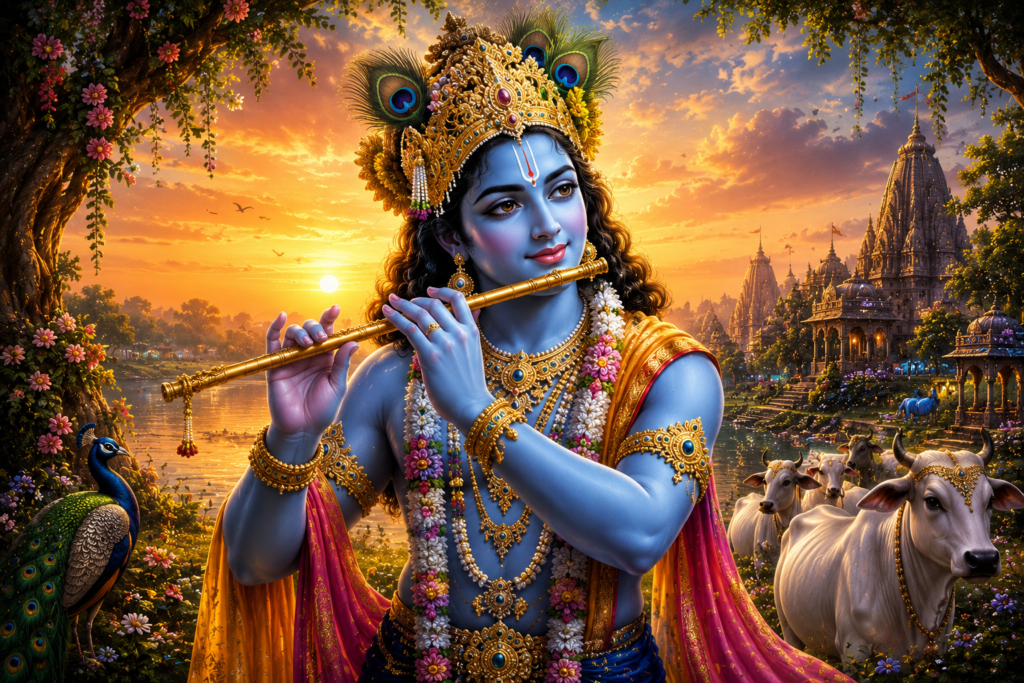
Among the greatest Legends of India, Lord Krishna occupies a unique place as both a divine guide and a master strategist. His life is described in the Mahabharata, the Bhagavad Gita, and the Bhagavata Purana, where he is portrayed as a protector of righteousness and a teacher of timeless wisdom.
According to tradition, Krishna was born in Mathura during a time of great oppression under King Kansa. Shortly after his birth, he was secretly taken to Gokul, where he spent his childhood performing extraordinary feats. Stories of young Krishna lifting Govardhan Hill, defeating powerful demons, and enchanting the people of Vrindavan have become some of the most beloved tales in Indian culture.
As an adult, Krishna played a central role in the Mahabharata. Rather than fighting with weapons, he chose to guide the Pandavas with wisdom and strategy. His conversation with Arjuna on the battlefield of Kurukshetra became the Bhagavad Gita, one of the world’s most influential spiritual texts.
The teachings of Lord Krishna continue to inspire millions by emphasizing duty, selfless action, wisdom, and devotion. His life remains one of the most respected Legends of India, influencing philosophy, literature, music, art, and festivals such as Janmashtami.
Why Lord Krishna’s Story Still Inspires
Krishna’s teachings encourage people to perform their responsibilities with honesty while remaining calm during life’s challenges. His message of balancing action with wisdom continues to guide people across the world.
3. Arjuna – The Greatest Archer of Ancient India
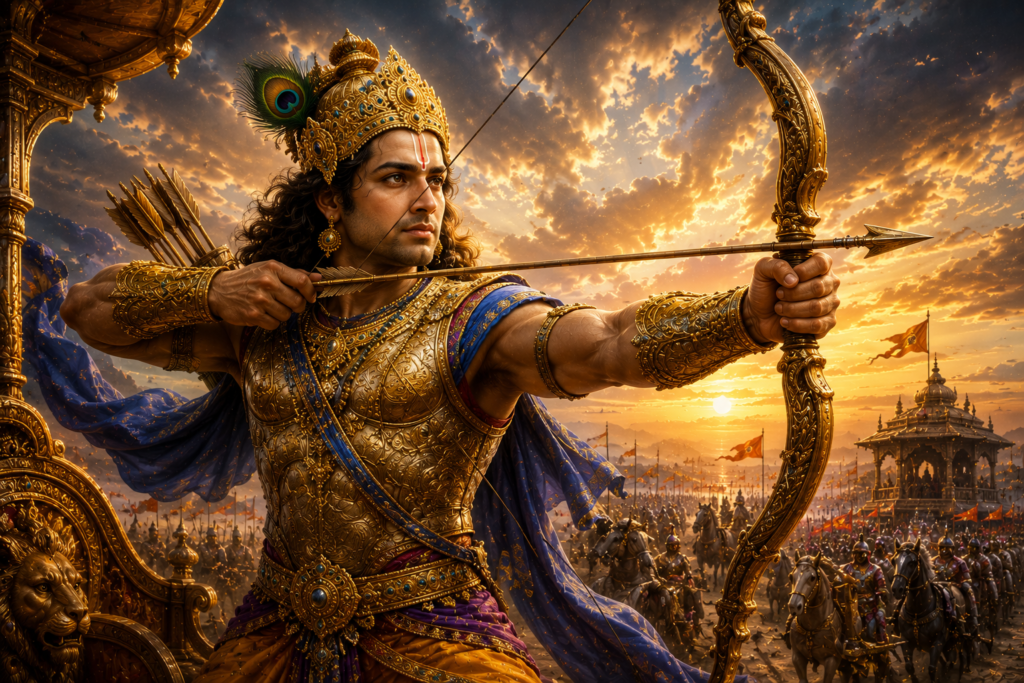
Among the heroic Legends of India, Arjuna is remembered as one of the greatest warriors ever described in Indian literature.
As one of the five Pandava brothers, Arjuna displayed exceptional skill in archery from a young age. Under the guidance of Guru Dronacharya, he mastered numerous weapons and became famous for his discipline, determination, and focus.
One of the most famous stories tells how Dronacharya tested his students by asking them to aim at a bird perched on a tree. While others saw the entire bird, Arjuna focused only on its eye, demonstrating complete concentration.
During the Kurukshetra War, Arjuna initially hesitated to fight against his own relatives and teachers. It was then that Lord Krishna delivered the teachings of the Bhagavad Gita, encouraging him to uphold righteousness.
Arjuna’s courage, discipline, and commitment to justice have made him one of the greatest heroes among the Legends of India.
Legacy of Arjuna
Arjuna continues to symbolize dedication, focus, and the importance of mastering one’s skills through continuous learning and discipline.
4. Karna – The Tragic Hero
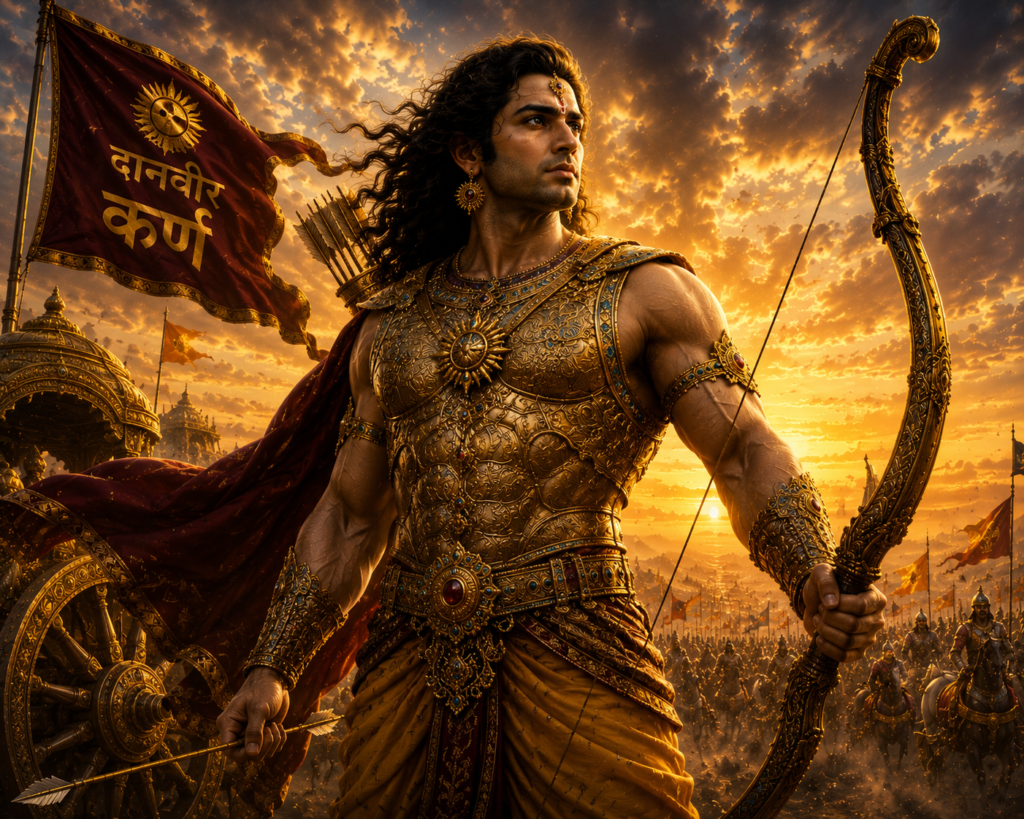
Karna is one of the most complex and admired figures among the Legends of India.
Born to Kunti before her marriage, Karna was abandoned as an infant and raised by a humble charioteer’s family. Despite his extraordinary talent, he faced discrimination because of his social status.
Determined to become a great warrior, Karna trained relentlessly and eventually earned the respect of many kings. His unmatched generosity became legendary, as he was known for never refusing anyone who asked for help.
Although he sided with the Kauravas out of loyalty to Duryodhana, Karna remained a man of honor who constantly struggled between friendship and righteousness.
His tragic life has inspired countless poems, books, films, and discussions about destiny, sacrifice, and justice.
Why Karna Is Remembered
Karna teaches that greatness is not determined by birth but by character, courage, and generosity. His story continues to inspire people who overcome challenges through determination.
5. Maharana Pratap – The Symbol of Courage
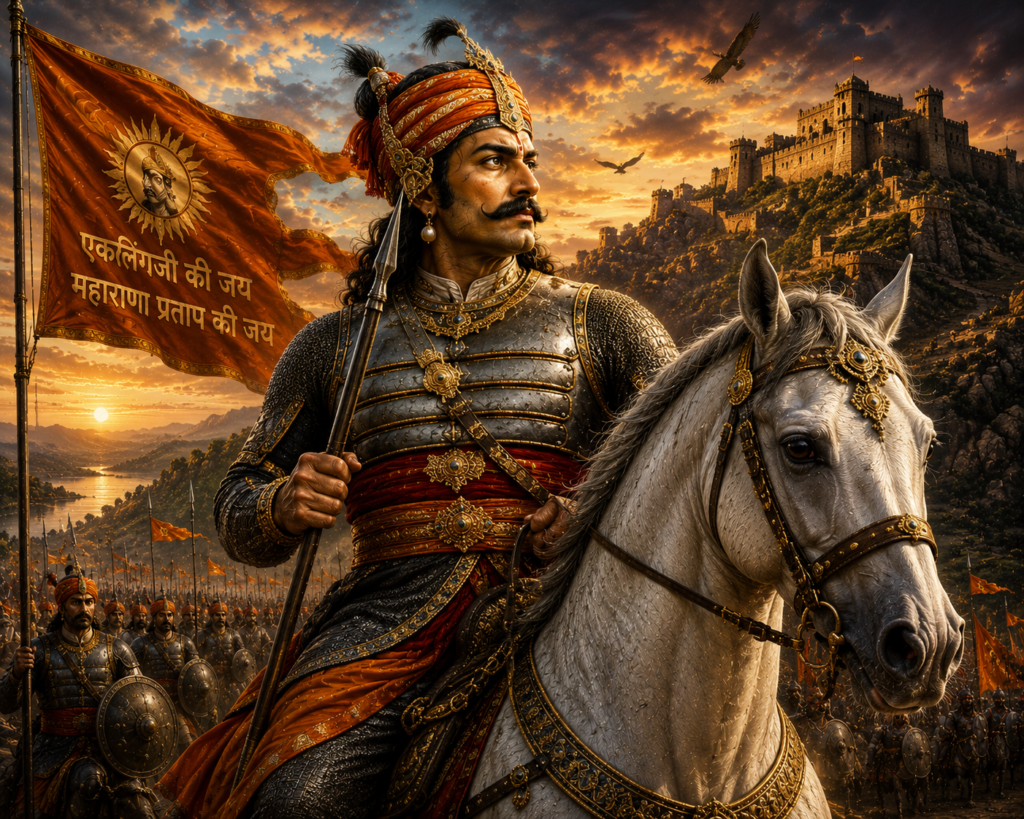
Among the historical Legends of India, Maharana Pratap is remembered as one of the bravest rulers in Indian history.
The ruler of Mewar refused to surrender to the Mughal emperor Akbar despite facing overwhelming military challenges.
His most famous battle, the Battle of Haldighati in 1576, demonstrated extraordinary courage and determination. Although the battle did not produce a decisive victory, Maharana Pratap continued resisting foreign domination for many years.
His loyal horse Chetak also became legendary after carrying the injured king to safety despite being seriously wounded.
Why Maharana Pratap Is Celebrated
His determination to protect his kingdom, independence, and values has made him an enduring symbol of patriotism and courage.
Even today, Maharana Pratap remains one of the greatest historical heroes in the Legends of India.
6. Chhatrapati Shivaji Maharaj – Founder of the Maratha Empire
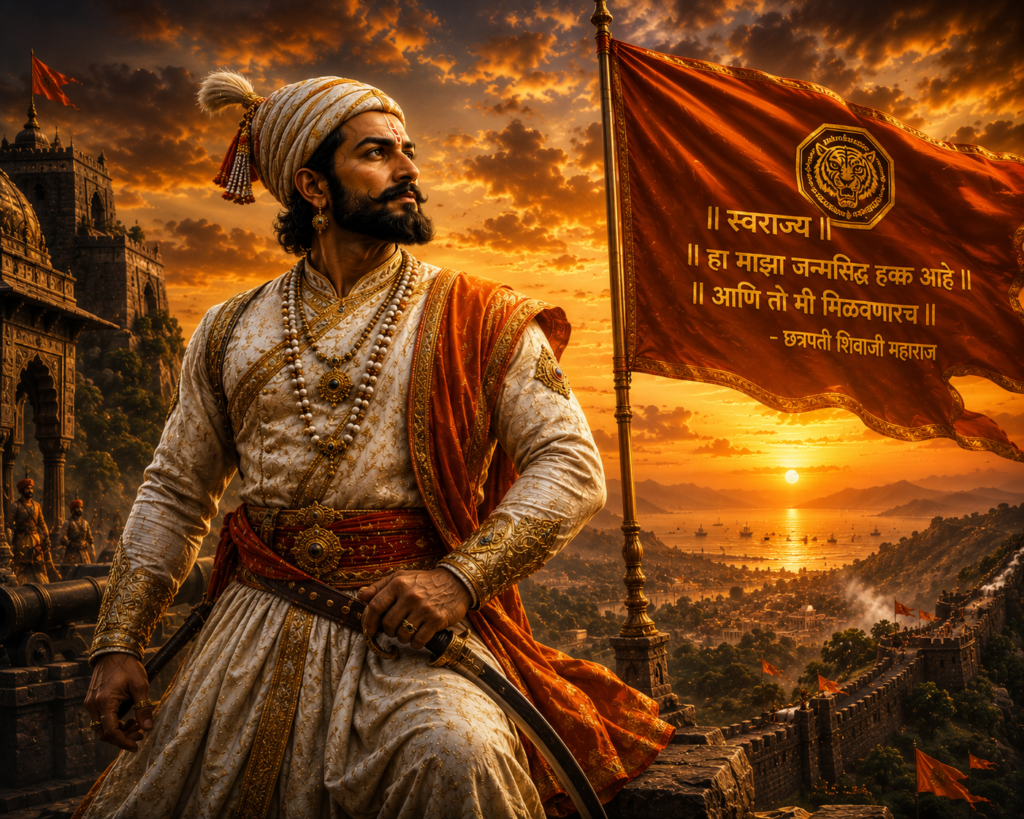
No discussion of the Legends of India is complete without Chhatrapati Shivaji Maharaj.
Born in 1630, Shivaji Maharaj established the Maratha Empire through exceptional leadership, military strategy, and administrative reforms.
He introduced innovative guerrilla warfare tactics that enabled his forces to defeat much larger armies. His forts across Maharashtra remain remarkable examples of military architecture and planning.
Beyond warfare, Shivaji Maharaj emphasized justice, efficient administration, and the protection of people regardless of their religion or background.
His coronation in 1674 marked the beginning of a powerful kingdom that played a significant role in Indian history.
Why Shivaji Maharaj Is Remembered
Shivaji Maharaj continues to inspire millions through his leadership, courage, respect for diversity, and commitment to good governance.
His achievements have secured his place among the greatest Legends of India.
7. Rani Lakshmibai – The Warrior Queen of Jhansi
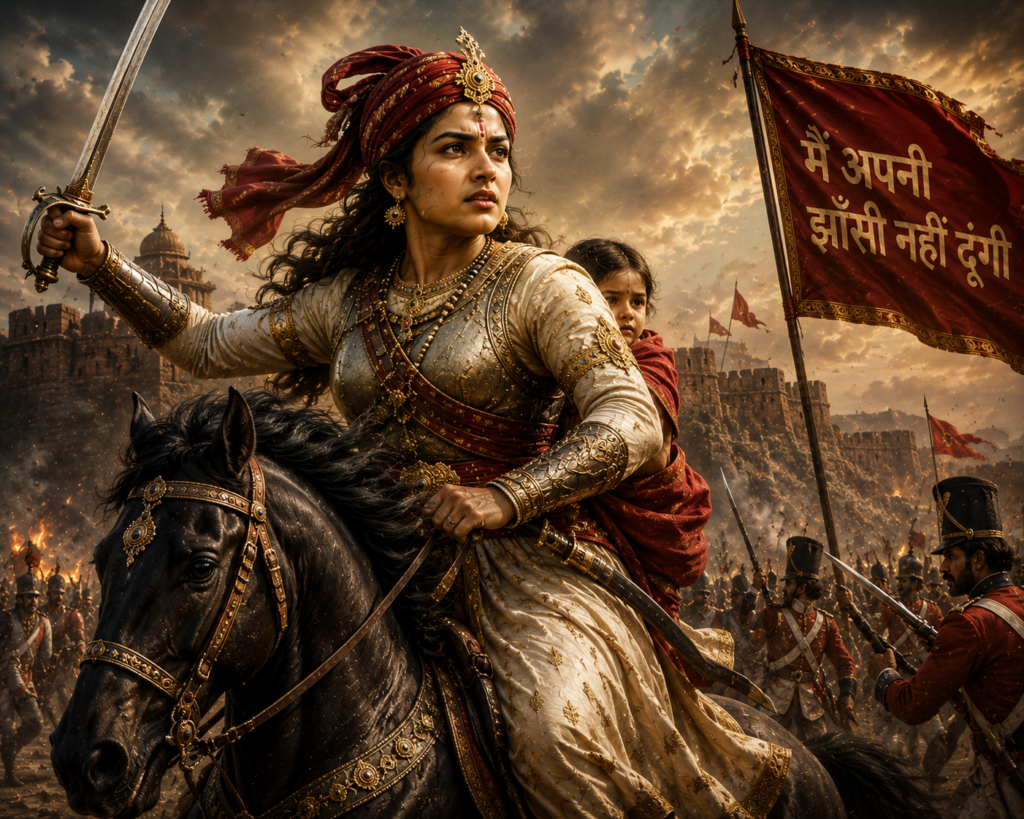
One of the most inspiring historical figures in the Legends of India is Rani Lakshmibai, the Queen of Jhansi.
During the Indian Rebellion of 1857, she became a symbol of resistance against British rule. Refusing to surrender her kingdom, she led her army with extraordinary courage and determination.
Historical accounts describe her fighting on horseback while carrying her adopted son, demonstrating remarkable bravery during one of India’s most important struggles for independence.
Although she lost her life in battle, her courage transformed her into a national icon.
Legacy of Rani Lakshmibai
Her famous words, often remembered as a symbol of resistance, continue to inspire generations.
Today, Rani Lakshmibai represents bravery, leadership, and the determination to defend freedom against overwhelming odds.
8. Ashwatthama – The Immortal Warrior
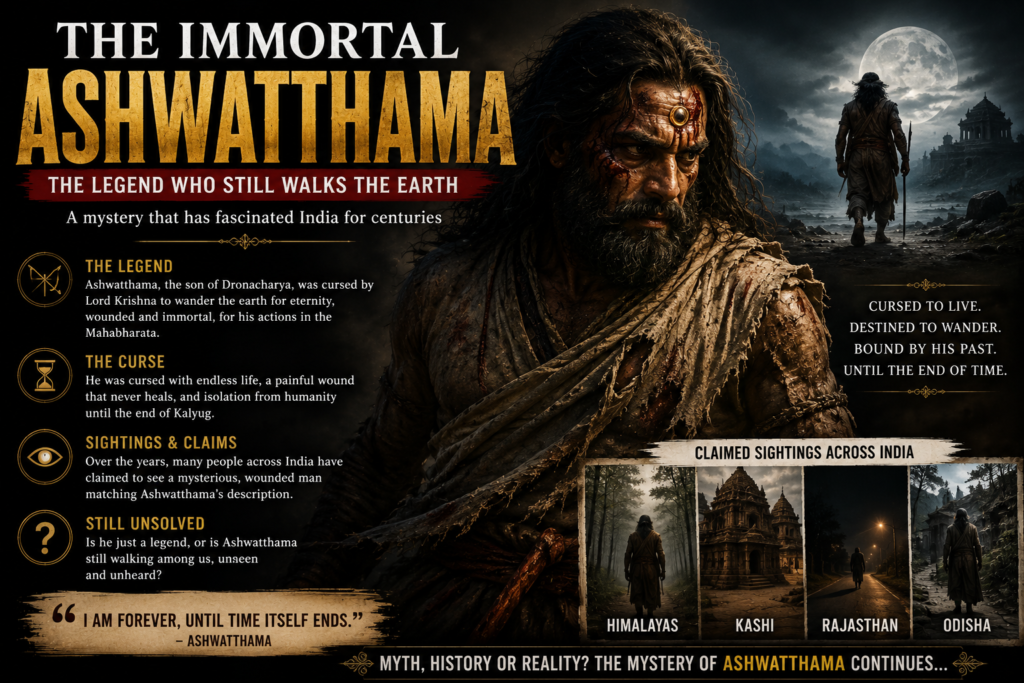
Among all the Legends of India, few are as mysterious as the legend of Ashwatthama. According to the Mahabharata, Ashwatthama was the son of Guru Dronacharya and one of the greatest warriors of his time. Blessed with extraordinary strength and combat skills, he fought on the side of the Kauravas during the Kurukshetra War.
After the war, Ashwatthama attacked the Pandava camp at night, an act considered against the principles of warfare. According to Hindu tradition, Lord Krishna cursed him to wander the Earth until the end of Kali Yuga, carrying an unhealed wound on his forehead.
For centuries, stories have circulated claiming that Ashwatthama has been seen in forests, ancient temples, and remote parts of India. While there is no historical or scientific evidence to support these claims, the legend continues to fascinate believers, historians, and researchers alike.
The story of Ashwatthama reminds us that the consequences of our actions can endure far beyond our own lifetime. Whether viewed as mythology or symbolism, it remains one of the most enduring Legends of India.
9. The Nine Unknown Men

One of the most intriguing Legends of India is the story of the Nine Unknown Men. According to legend, Emperor Ashoka established a secret society after the Kalinga War to preserve dangerous knowledge that could be misused if it fell into the wrong hands.
It is said that each of the nine members guarded knowledge in a different field, such as medicine, astronomy, engineering, communication, psychology, and philosophy. According to the legend, this knowledge was passed from one generation to the next in complete secrecy.
Although historians have found no conclusive evidence proving the existence of this society, the story has inspired books, documentaries, and countless discussions. Many people view it as one of India’s greatest historical mysteries, while others believe it symbolizes the importance of protecting knowledge and using it responsibly.
Regardless of whether the legend is historically accurate, it continues to capture imaginations around the world and remains an important part of the Legends of India.
10. The Lost City of Dwarka
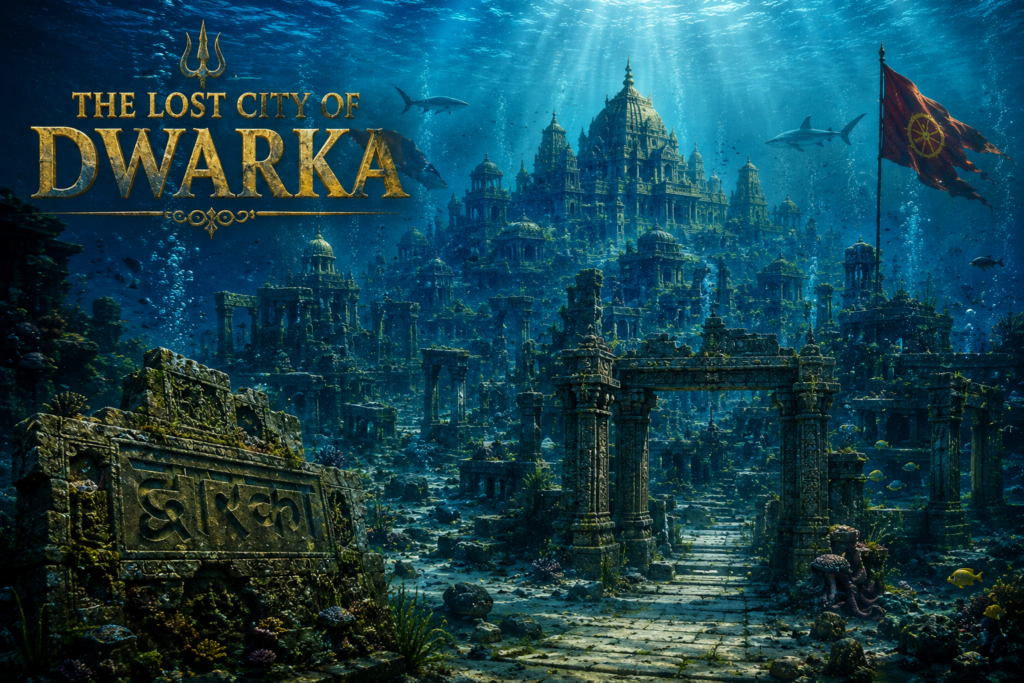
Among the most fascinating Legends of India is the story of the ancient city of Dwarka, believed to have been the kingdom of Lord Krishna.
Ancient texts describe Dwarka as a magnificent city filled with grand palaces, temples, and advanced architecture. According to tradition, after Lord Krishna left the Earth, the city was submerged beneath the Arabian Sea.
In recent decades, underwater archaeological explorations near the coast of Gujarat have uncovered submerged structures and artifacts. While researchers continue to study these discoveries, debates remain about their age and whether they are directly connected to the legendary Dwarka.
The discoveries have renewed global interest in the story and demonstrate how archaeology can sometimes intersect with ancient legends.
11. Ram Setu – The Legendary Bridge to Lanka
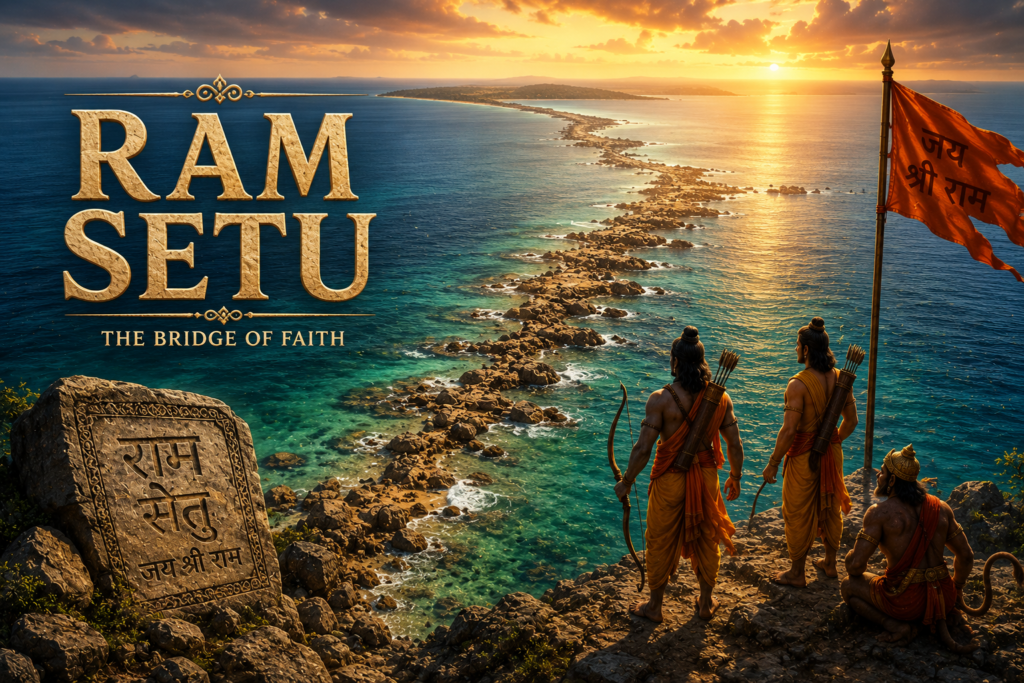
Among the most famous Legends of India is the story of Ram Setu, also known as Adam’s Bridge. According to the Ramayana, Lord Rama’s army of Vanaras, led by Nala and Nila, built a bridge across the sea to reach Lanka and rescue Sita from Ravana.
The bridge is believed to connect the southeastern coast of India with Sri Lanka. Ancient texts describe it as a remarkable engineering achievement completed with the help of millions of stones.
Modern satellite images have revealed a chain of limestone shoals stretching between India and Sri Lanka, leading to discussions among historians, geologists, and archaeologists. While scientists generally explain the formation through natural geological processes, the bridge continues to hold immense cultural and religious significance.
For millions of devotees, Ram Setu is not merely a geographical formation but a powerful symbol of faith, determination, and teamwork. It remains one of the most discussed Legends of India.
12. Vikram and Betal – Stories of Wisdom and Justice
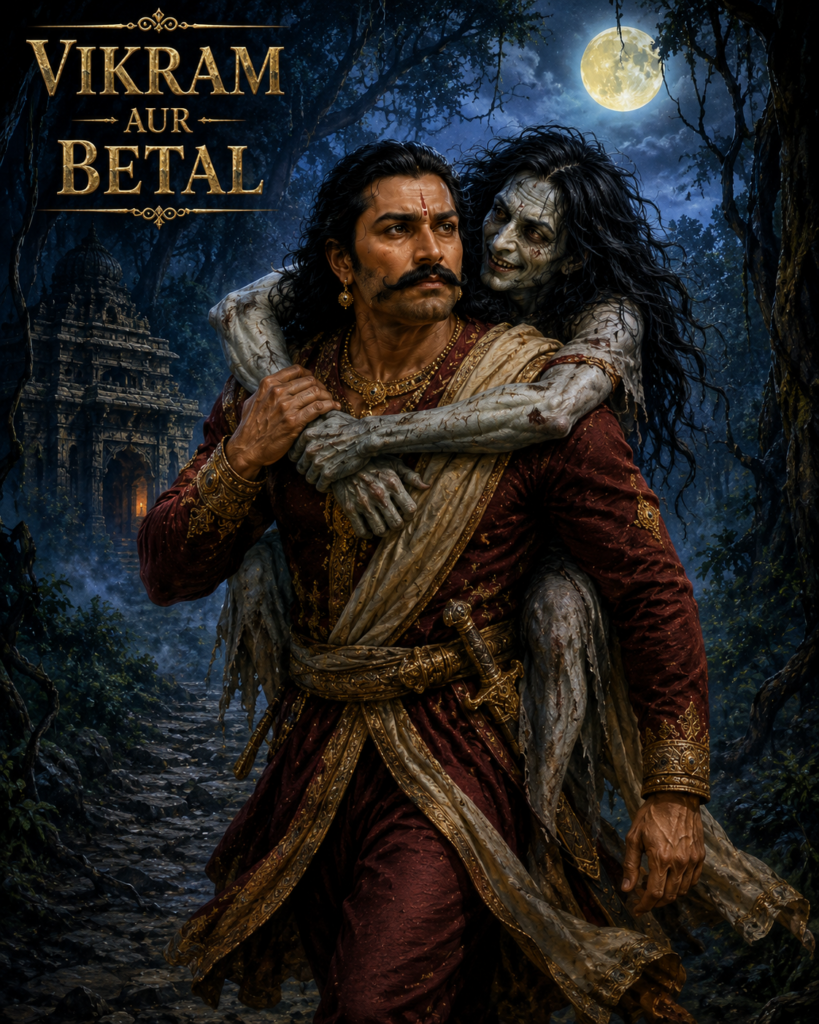
The tales of Vikram and Betal are among the most beloved Legends of India. These stories describe King Vikramaditya, a wise and courageous ruler, who was given the difficult task of carrying the ghost-like Betal through a forest.
Each time the king carried Betal, the spirit narrated a fascinating story ending with a moral dilemma or difficult question. If King Vikram answered correctly, Betal would escape and return to the tree, forcing the king to begin again.
These stories became famous not only because of their mystery but also because they encouraged logical thinking, ethical decision-making, and justice.
13. King Vikramaditya – The Legendary Emperor
Among the greatest historical Legends of India, King Vikramaditya occupies a special place. He is remembered as an ideal ruler who encouraged education, literature, science, and justice.
Many traditions describe him as the founder of the Vikram Samvat calendar, which is still used in several parts of India today.
Legends also state that his royal court included the Navaratnas, or Nine Gems, consisting of exceptional scholars such as Kalidasa and Varahamihira.
Although historians debate which historical king inspired these stories, Vikramaditya remains one of India’s greatest legendary rulers.
E14. The Hidden Treasure of Padmanabhaswamy Temple
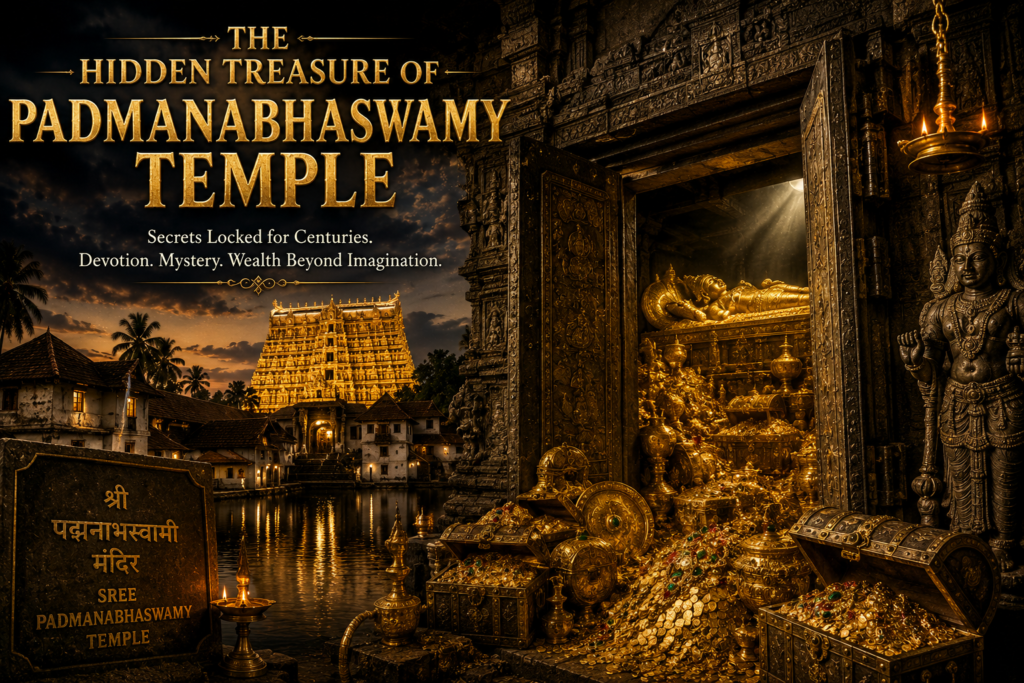
The Padmanabhaswamy Temple in Kerala is associated with one of the most fascinating modern Legends of India.
The temple gained worldwide attention after several underground vaults containing enormous quantities of gold, jewels, precious stones, and ancient artifacts were opened under court supervision.
One vault, commonly known as Vault B, remains unopened.
Local traditions believe that opening this chamber without proper rituals could bring misfortune. Historians and temple authorities continue to treat the chamber with great respect, adding to its mystery.
Whether viewed as history or legend, Padmanabhaswamy Temple remains one of India’s most fascinating cultural treasures.
15. The Legend of Parashurama and the Creation of Kerala
According to Hindu tradition, Lord Parashurama, the sixth avatar of Lord Vishnu, threw his axe into the Arabian Sea.
The sea is believed to have retreated, creating the land that is now the state of Kerala.
Although geologists explain Kerala’s coastline through natural geological processes over millions of years, the legend remains deeply respected throughout the region.
Many ancient temples and festivals continue to celebrate this story, making it one of the most cherished Legends of India.
Legends and Archaeology: Where Myth Meets History
One reason the Legends of India remain so fascinating is that archaeology occasionally uncovers discoveries connected to ancient traditions.
Examples include:
Underwater structures near Dwarka.
Ancient temples described in historical texts.
Lost cities uncovered through excavation.
Rock inscriptions supporting historical kingdoms.
Coins and artifacts linked to legendary rulers.
While archaeology cannot confirm every legend, it often reveals that ancient stories preserve important historical memories.
This connection between mythology and archaeology continues to inspire researchers worldwide.
Why Every Generation Rediscovers the Legends of India
Each generation interprets the Legends of India in its own way.
Children discover them through storybooks.
Students learn about them in literature and history.
Researchers investigate them through archaeology and historical analysis.
Artists, filmmakers, and writers reinterpret these stories for modern audiences.
Because these legends continue evolving while preserving timeless values, they remain an essential part of India’s cultural identity.
How Legends Have Shaped Indian Culture
The Legends of India continue to influence every aspect of Indian society.
Many festivals celebrated across the country are directly connected to legendary events. Diwali commemorates Lord Rama’s return to Ayodhya, Janmashtami celebrates the birth of Lord Krishna, and Dussehra marks the victory of good over evil.
Classical dance, music, theatre, paintings, sculptures, and literature have also drawn inspiration from these legends for centuries.
Even modern films, television series, novels, and digital media continue to reinterpret these timeless stories for new generations.
These legends serve not only as entertainment but also as moral guides that teach honesty, courage, compassion, sacrifice, and perseverance.
Why the Legends of India Continue to Inspire the World
The Legends of India remain relevant because they address universal themes that resonate across cultures. Stories of bravery, justice, loyalty, wisdom, and hope are timeless and continue to inspire people regardless of their background.
Many of these legends encourage individuals to face challenges with courage, make ethical decisions, and value knowledge and compassion. They also preserve India’s cultural heritage, ensuring that future generations remain connected to their history and traditions.
As archaeology, history, and science continue to evolve, researchers may uncover new evidence that sheds light on some legendary stories. Until then, these tales remain an extraordinary blend of history, mythology, and imagination.
How the Legends of India Influence Modern Society
The Legends of India are not limited to ancient books or historical discussions. Even today, they continue to influence modern Indian society in meaningful ways. Many festivals, cultural events, and family traditions are directly connected to these legendary stories.
Films, television series, novels, comic books, and digital media frequently draw inspiration from Indian legends. Characters such as Lord Rama, Lord Krishna, Hanuman, Maharana Pratap, and Chhatrapati Shivaji Maharaj have become timeless symbols of courage, leadership, wisdom, and sacrifice.
Schools and universities also study these stories to understand India’s cultural evolution, philosophy, and literature. The continued popularity of these legends demonstrates their lasting impact across generations.
The Difference Between Mythology, Legends, and History
Many people often confuse mythology, legends, and history. Although these subjects are closely connected, they are not identical.
Mythology
Mythology consists of sacred stories explaining the origin of the universe, gods, divine beings, and cosmic events. The Ramayana, Mahabharata, and the Puranas are among India’s most important mythological texts.
Legends
Legends are traditional stories that may contain historical elements but often become enriched with cultural beliefs and folklore over time. Many of the Legends of India belong to this category.
History
History relies on documented evidence such as inscriptions, manuscripts, archaeological discoveries, coins, monuments, and verified records.
Sometimes these three fields overlap, making India’s cultural heritage even more fascinating.
Famous Places Connected to the Legends of India
Many legendary stories are closely associated with real locations across the country.
Ayodhya
Believed to be the birthplace of Lord Rama and one of India’s most sacred cities.
Mathura and Vrindavan
Associated with Lord Krishna’s childhood and early life.
Kurukshetra
Traditionally regarded as the battlefield where the Mahabharata war took place.
Dwarka
Believed to have been the kingdom of Lord Krishna.
Hampi
The capital of the Vijayanagara Empire and home to numerous legendary temples.
Chittorgarh
Connected with Maharana Pratap and Rajput bravery.
Raigad Fort
The historic capital of Chhatrapati Shivaji Maharaj’s kingdom.
These destinations continue to attract millions of pilgrims, historians, and tourists every year.
Read my article top 10 technology in India: https://itshk.in/top-10-technology-trends-in-india-2026/
What Historians Say About the Legends of India
Modern historians approach the Legends of India with both curiosity and caution. Instead of accepting or rejecting stories outright, researchers examine literary sources, inscriptions, archaeological evidence, and historical records.
Some legends are strongly supported by archaeological discoveries, while others remain symbolic narratives representing cultural values.
This balanced approach helps preserve India’s heritage while encouraging scientific investigation and historical accuracy.
Why the Legends of India Will Never Be Forgotten
The greatest strength of the Legends of India is their timeless relevance. They continue to teach lessons about:
Courage
Leadership
Compassion
Sacrifice
Justice
Wisdom
Loyalty
Faith
Responsibility
These values remain meaningful regardless of the century in which we live.
Every generation discovers these legends in new ways, ensuring that India’s remarkable heritage continues to inspire people around the world.
Final Thoughts
The Legends of India represent one of humanity’s richest collections of stories, preserving thousands of years of culture, philosophy, history, and imagination.
Whether exploring the heroic journey of Lord Rama, the wisdom of Lord Krishna, the courage of Maharana Pratap, the leadership of Chhatrapati Shivaji Maharaj, or the mysteries surrounding Ashwatthama, Dwarka, and the Nine Unknown Men, every legend reflects an important part of India’s identity.
Some stories are supported by historical discoveries, while others continue to inspire through mythology and folklore. Together, they remind us that civilizations are remembered not only through monuments but also through the stories that shape their people.
As researchers continue uncovering new evidence and preserving India’s remarkable heritage, the Legends of India will remain an endless source of inspiration, curiosity, and learning for future generations.
Read best place to visit in India during monsoon https://itshk.in/top-10-places-to-visit-in-india-during-monsoon/
Frequently Asked Questions
Which is the most famous legend in India?
The stories of Lord Rama and Lord Krishna from the Ramayana and Mahabharata are among the most famous and influential Legends of India.
Are the Legends of India historically accurate?
Some legends are supported by archaeological or historical evidence, while others are rooted in mythology, folklore, or oral traditions. Historians continue to study many of these stories.
Why are Indian legends still important today?
They preserve India’s cultural heritage, teach moral values, inspire art and literature, and continue to influence festivals, traditions, and modern storytelling.
Which places are closely associated with the Legends of India?
Ayodhya, Mathura, Vrindavan, Dwarka, Kurukshetra, Hampi, Chittorgarh, and Raigad are among the most famous places linked to legendary stories.
Where can I learn more about India’s history and cultural heritage?
Official resources from the Archaeological Survey of India (ASI) and the Indira Gandhi National Centre for the Arts (IGNCA) provide reliable information about India’s historical monuments and cultural traditions.
Many of the Legends of India are connected to ancient temples, forts, monuments, caves, and archaeological sites that continue to be studied by experts. Readers interested in exploring India’s rich historical heritage, protected monuments, and archaeological discoveries can visit the official website of the Archaeological Survey of India (ASI) to learn more about the country’s remarkable cultural legacy.
Link: http://Archaeological Survey of India
To gain a deeper understanding of India’s cultural traditions, mythology, folklore, manuscripts, performing arts, and ancient knowledge systems, readers can explore the official resources provided by the Indira Gandhi National Centre for the Arts (IGNCA). The organization offers valuable information on India’s diverse artistic and cultural heritage.
Link: http://Indira Gandhi National Centre for the Arts (IGNCA)
While many legends are rooted in mythology and history, India is also home to several fascinating unexplained events and mysterious places that continue to intrigue researchers. From the mysterious Skeleton Lake of Roopkund to the strange bird phenomenon in Jatinga and the legend of Ashwatthama, these stories blur the line between fact and folklore. To explore these incredible mysteries in detail, read our article Top 10 Unsolved Mysteries of India That Still Baffle Experts. https://itshk.in/top-10-unsolved-mysteries-of-india/
4 thoughts on “Top 15 Legends of India: Heroes, Myths, Mysteries, and the Stories That Shaped a Civilization”