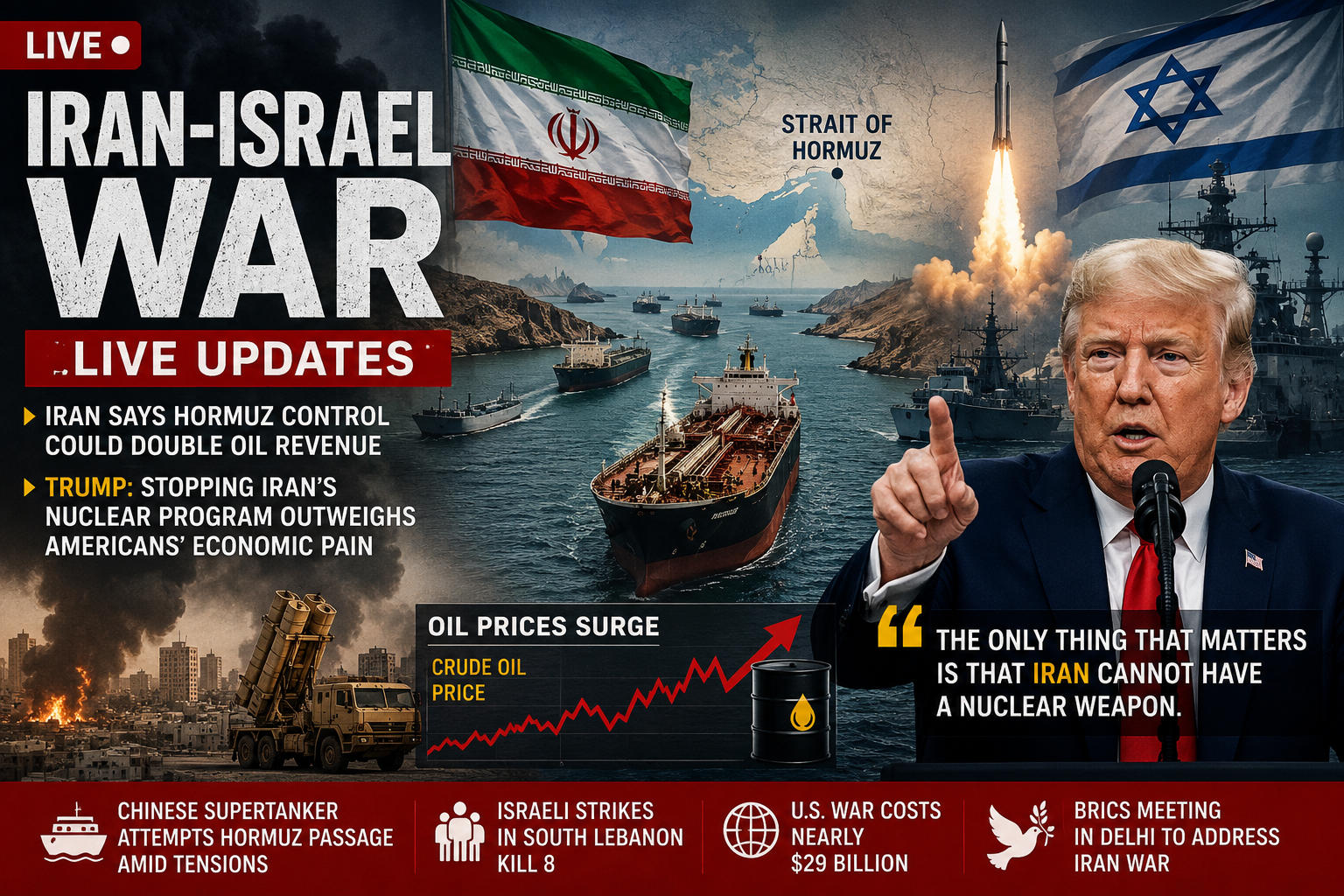
Strait of Hormuz Toll: Iran and Oman Discuss Permanent Shipping Rules
The proposed Strait of Hormuz Toll has become a major topic in international discussions after reports suggested that Iran and Oman are exploring a long-term security and transit framework for one of the world’s most important waterways.
The Strait of Hormuz plays a critical role in global energy supply and international trade. Any long-term changes to how ships move through this narrow passage could influence oil prices, shipping costs, and economic stability across multiple regions.
Table of Contents
What Is the Strait of Hormuz Toll?
Why Iran and Oman Are Discussing It
Potential Effects on Global Trade
International Response
Impact on Oil Markets
Possible Outcomes
What Is the Strait of Hormuz Toll?
The Strait of Hormuz Toll refers to a proposed transit or passage fee that commercial vessels may pay while moving through the waterway.
The discussion reportedly focuses on creating a structured maritime system linked with regional security and operational management.
Supporters believe such a framework could provide long-term stability and improve infrastructure around maritime traffic.
However, critics argue that international shipping routes should remain open under existing global navigation principles.
Why Iran and Oman Are Discussing It
Iran and Oman share influence and geographical importance around the Strait of Hormuz.
According to reports, the discussion is not only about revenue but also about establishing a lasting security structure for vessel movement.
Supporters view this as a way to strengthen regional coordination and maintain safer transit operations.
At the same time, international observers are carefully watching because any policy affecting the strait could create broader economic consequences.
Potential Effects on Global Trade
The Strait of Hormuz remains one of the most important shipping corridors in the world.
A large amount of energy exports and international cargo move through this route every year.
If permanent transit charges are introduced, companies may face:
Higher transportation costs
Increased shipping expenses
Changes in global supply chains
Higher fuel prices in some markets
Businesses may also review alternative routes if operating costs rise significantly.
International Response to the Strait of Hormuz Toll
The proposal has attracted international attention because of the strategic importance of the region.
Some governments support diplomatic engagement and negotiation to avoid disruptions.
Others emphasize maintaining uninterrupted commercial access under existing maritime practices.
International shipping companies are also monitoring developments closely before making long-term adjustments.
Impact on Oil Markets
Energy markets usually react quickly to changes involving major shipping routes.
Because the Strait of Hormuz handles a significant portion of energy transport, any changes could influence:
Global oil prices
Market confidence
Import and export planning
Transportation sectors
Investors continue monitoring regional developments for signs of stability or policy changes.
What Could Happen Next?
At this stage, discussions remain under observation and future outcomes are still uncertain.
Possible outcomes include a revised transit framework, continued diplomatic negotiations, or maintaining existing systems.
For global markets, the main concern remains predictable shipping access and economic stability.
As discussions continue, governments, businesses, and shipping industries will watch closely for official announcements and future policy decisions.
Future Outlook for the Strait of Hormuz
The future of the Strait of Hormuz Toll discussion may depend on diplomatic negotiations, international shipping policies, and regional cooperation. Experts believe any long-term decision involving one of the world’s busiest maritime routes will require broad support and careful planning.
Shipping companies are expected to monitor operational costs and adjust logistics if new regulations appear. Energy markets may also respond depending on how trade flows are affected.
For consumers, changes in transportation and fuel pricing could indirectly influence product prices across multiple industries. Because of this, governments and businesses continue to watch developments closely.
Although discussions remain ongoing, the outcome could shape regional trade and influence global economic confidence in the years ahead.
Read more on: https://itshk.in/iran-us-peace-talks-2026/