Iran US Peace Proposal and Ongoing Negotiations
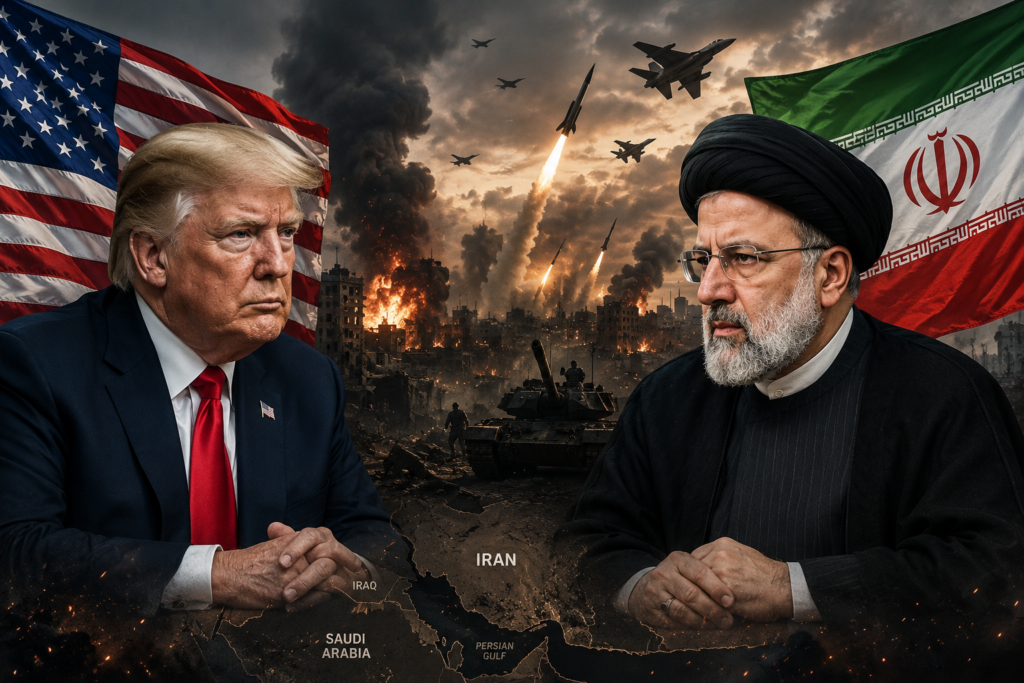
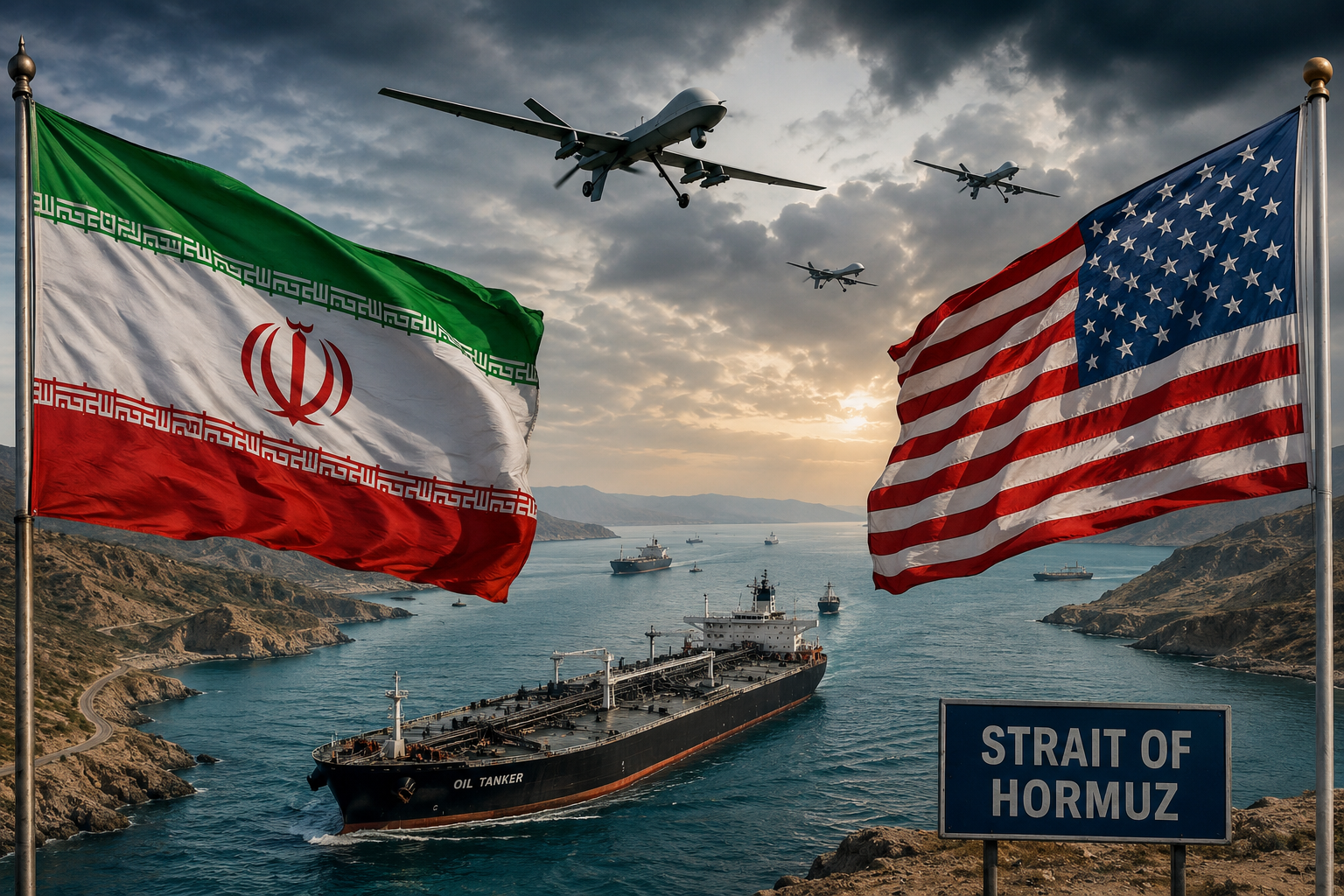
Iran US peace proposal discussions have intensified after fresh drone attacks and rising tensions in the Strait of Hormuz increased fears of a wider Middle East conflict.
Iran has officially responded to Washington’s latest peace proposal as tensions continue to rise across the Gulf region following fresh drone incidents and renewed military warnings.
The Iran US peace proposal response came amid growing international concern over the month-long conflict involving Iran, Israel, and the United States. Iranian officials reiterated that Tehran would not back down in the face of military pressure, while diplomatic efforts to reach a broader settlement continue behind closed doors.
Iran US Peace Proposal Raises Gulf Security Concerns
Iranian President Masoud Pezeshkian stated on Sunday that the country would never surrender to its enemies, adding that ongoing discussions with global powers should not be interpreted as weakness or retreat.
According to Iran’s state broadcaster IRIB, Tehran’s response to the US proposal was delivered through Pakistani mediators. The response reportedly focuses on ending the conflict across multiple fronts, particularly in Lebanon, where clashes between Israel and the Iran-backed Hezbollah group continue. Iran also emphasized the importance of securing maritime trade routes in the Gulf region.
Netanyahu Says Conflict Is Not Over
Israeli Prime Minister Benjamin Netanyahu maintained a firm stance, saying the conflict could not end until Iran’s enriched uranium stockpile is removed and its nuclear facilities are dismantled.
Speaking to CBS’s “60 Minutes,” Netanyahu stressed that Iran’s nuclear programme remains the core issue behind the ongoing military campaign launched jointly by Israel and the United States earlier this year.
The US proposal reportedly aimed to extend the fragile Gulf ceasefire and create space for negotiations on Iran’s nuclear activities and regional security concerns.
Strait of Hormuz Remains a Flashpoint
One of the major points of tension remains the Strait of Hormuz, a critical global shipping route through which nearly one-fifth of the world’s oil supply passes.
Iran imposed restrictions in the strait during the early days of the conflict, causing oil prices to surge and shaking global financial markets. Tehran later introduced a payment mechanism for vessels crossing the waterway, a move strongly opposed by Washington.
US officials warned that allowing Iran to control international shipping lanes would be unacceptable. At the same time, the US Navy has reportedly increased pressure on Iranian ports, including intercepting and diverting ships connected to Tehran.
Britain and France are currently discussing plans for an international coalition to protect shipping in the Strait of Hormuz once a broader peace agreement is reached. However, Iranian officials warned that any foreign naval deployment in the area would trigger an immediate response.
Deputy Foreign Minister Kazem Gharibabadi said Iran alone is capable of maintaining security in the strait and would not tolerate interference from outside powers.
French President Emmanuel Macron later clarified that Paris had not planned a military deployment but was instead considering a cooperative maritime security mission coordinated with Iran.
Meanwhile, Qatar’s Prime Minister Sheikh Mohammed bin Abdulrahman Al Thani emphasized that freedom of navigation in the Gulf must remain protected and should not be used as leverage during the crisis.
Fresh Drone Attacks Raise Alarm
Tensions escalated further after new drone-related incidents were reported across the Gulf on Sunday.
The United Arab Emirates announced that its air defence systems intercepted two drones allegedly launched from Iran. Kuwait also confirmed that hostile drones had entered its airspace and were handled according to military procedures.
Qatar’s defence ministry reported that a cargo ship arriving from Abu Dhabi was struck by a drone near the port of Mesaieed. The United Kingdom Maritime Trade Operations centre said the vessel suffered minor damage and a small fire, but no casualties were reported.
No group immediately claimed responsibility for the attacks. However, Iran’s Fars news agency claimed the targeted cargo vessel was sailing under a US flag.
Iran Warns Against New US Actions
Iranian officials issued fresh warnings to Washington following the incidents.
Ebrahim Rezaei, spokesperson for the Iranian parliament’s national security commission, declared that Iran’s “restraint is over” and warned that any attack on Iranian vessels would lead to a strong response against American ships and military bases in the region.
The warning followed reports that a US fighter jet had disabled two Iranian-flagged vessels in the Gulf of Oman on Friday.
Iran’s Revolutionary Guards also threatened retaliation against US interests in the Middle East if Iranian tankers continue to face attacks.
Meanwhile, senior Iranian military commander Ali Abdollahi reportedly met Supreme Leader Mojtaba Khamenei and received new operational directives regarding the ongoing confrontation.
As diplomatic channels remain active, the situation across the Gulf continues to remain highly volatile, with fears that further military incidents could derail ongoing peace efforts.